
JERUSALEN_TV
La Casa de David es renovada para una 3era temporada: “Dios capacita a los llamados”


Prime Video confirmó la renovación de “House of David” para una tercera temporada, después de que el drama bíblico alcanzara a más de 40 millones de espectadores en todo el mundo. La producción continuará desarrollando la historia del futuro rey de Israel, cuya vida ha cautivado a una amplia audiencia internacional.

La serie, producida por Wonder Project y Amazon MGM Studios, sigue el ascenso de David desde sus días como joven pastor hasta su llamado para ocupar el trono de Israel. Sus dos primeras temporadas se encuentran disponibles internacionalmente en Prime Video, mientras que en Estados Unidos también pueden verse mediante la suscripción de Wonder Project.
La nueva temporada se enfocará en una de las etapas más difíciles y decisivas de la vida de David: los años en los que tuvo que huir y vivir como fugitivo antes de convertirse en rey. La trama mostrará cómo pasó de ser un pastor rechazado a un guerrero perseguido, obligado a esconderse entre sus enemigos para sobrevivir.
De acuerdo con la sinopsis oficial, los próximos episodios explorarán el costo personal que David debió enfrentar antes de llegar al trono. La historia abordará las traiciones, los sacrificios, las identidades que tuvo que abandonar y las luchas internas que marcaron su camino hacia el cumplimiento de su destino.
Jon Erwin y Jon Gunn, creadores y productores ejecutivos de la serie, expresaron su agradecimiento a los seguidores que han acompañado la producción desde su estreno. Ambos destacaron la recepción alcanzada por “House of David” entre espectadores de diferentes países y celebraron la oportunidad de continuar narrando esta historia bíblica.
Kelly Merryman Hoogstraten, directora ejecutiva de Wonder Project, afirmó que la renovación responde al objetivo de desarrollar producciones duraderas basadas en relatos capaces de inspirar, entretener y reunir a las audiencias. También agradeció a Prime Video y Amazon MGM Studios por mantener su respaldo al proyecto.
Kara Smith, responsable de drama de Amazon MGM Studios, atribuyó la continuidad de la serie al impacto que ha tenido entre millones de espectadores. Según la ejecutiva, la producción ha logrado presentar una historia antigua con una escala cinematográfica y una profundidad emocional que han conectado con el público mundial.
Jon Gunn había señalado previamente que el éxito del programa refleja la creciente demanda de contenidos inspiradores que puedan ser vistos en familia. El productor aseguró que Wonder Project busca combinar excelencia cinematográfica con historias desarrolladas desde la convicción y el respeto por las Escrituras.
Michael Iskander, actor de 24 años que interpreta a David, afirmó que encarnar al personaje transformó su vida y fortaleció su fe. Para prepararse físicamente para la segunda temporada, aumentó 15 libras de peso y aprendió combate con espada, mientras buscaba reflejar tanto las debilidades como el arrepentimiento del rey bíblico: “Dios no llama a los capacitados; capacita a los llamados”
La tercera temporada mostrará que el camino hacia el propósito de Dios no estuvo libre de rechazo, temor, pérdidas y persecución. La vida de David continúa recordando que el llamado divino no elimina las pruebas, pero puede utilizar cada etapa difícil para formar el carácter de quienes permanecen confiando en Él.




JERUSALEN_TV
Texas está a un paso de incluir la Biblia como material de estudio en las escuelas públicas

Las autoridades educativas de Texas están considerando incorporar relatos bíblicos a las listas de lectura escolar, en una propuesta que vuelve a colocar la herencia cristiana en el centro del debate educativo.
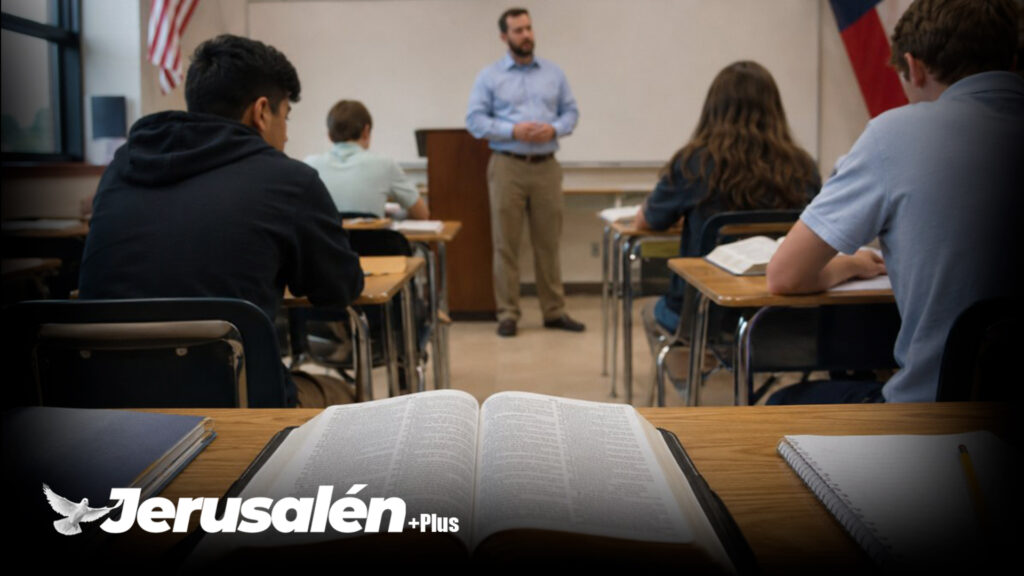
La medida será sometida a una votación preliminar por la junta estatal de educación esta misma semana. El tema ha despertado apoyo entre sectores conservadores y también fuertes críticas de quienes rechazan una mayor presencia bíblica en las escuelas públicas.
Entre los pasajes mencionados para su posible inclusión aparecen David y Goliat, la Torre de Babel, Jonás y la ballena, además del conocido pasaje sobre el amor en 1 Corintios 13. La propuesta busca sumar estos textos al currículo de lectura en las aulas. Según el artículo, la discusión parte de la idea de que estos relatos no solo son religiosos, sino también fundamentales para comprender la historia y la cultura occidental.
Mandy Drogin, investigadora principal de la Texas Public Policy Foundation, defendió la iniciativa con una declaración directa. Ella afirmó: “El islam y el budismo no fundaron Occidente”. Luego añadió: “No conocer la historia del buen samaritano, por ejemplo, significa perderse no solo lecciones importantes, sino también una rica significación cultural e histórica como estadounidense”.
Desde esa perspectiva, los impulsores de la propuesta consideran que excluir la Biblia de la formación literaria e histórica deja vacíos importantes en la comprensión cultural de los estudiantes. La discusión no se limita a doctrina, sino al papel que han tenido las Escrituras en el desarrollo del pensamiento, el lenguaje y los valores de la civilización occidental. Para quienes apoyan el cambio, enseñar estos relatos ayuda a entender mejor la raíz moral e intelectual sobre la que se edificó la nación.
Sin embargo, también han surgido objeciones firmes desde grupos críticos. Rocio Fierro-Perez, directora política de Texas Freedom Network, expresó: “Si se adoptan tal como están escritas, estas recomendaciones esencialmente dejarían a nuestros hijos capaces de recitar datos desconectados de Texas, pero realmente socavarían su capacidad de entender una economía global y el papel que Texas desempeña fuera del estado”. Su comentario refleja el temor de que el currículo pierda amplitud al reforzar contenidos ligados a la tradición bíblica.
Este debate aparece en un contexto más amplio, porque Texas también ha intentado impulsar la presencia de los Diez Mandamientos en las aulas públicas. Esa otra medida, sin embargo, ha enfrentado obstáculos judiciales en el estado. El artículo recuerda que varios distritos escolares fueron bloqueados por una orden federal que impidió aplicar lo establecido en la Senate Bill 10.
El juez federal Orlando L. Garcia escribió: “Exhibir los Diez Mandamientos en la pared de un aula de escuela pública como establece la S.B. 10 viola la Cláusula de Establecimiento”. También agregó: “Es impracticable, si no imposible, evitar que los demandantes sean expuestos a exhibiciones religiosas no deseadas sin impedir que los demandados hagan cumplir la S.B. 10 en todos sus distritos”. En agosto, otro juez federal, Fred Biery, emitió una decisión parecida al advertir que incluso sin enseñar formalmente el texto, los estudiantes cautivos en clase probablemente harían preguntas que los docentes se sentirían obligados a responder.
Más allá de la disputa legal, el caso refleja una batalla cultural más profunda sobre el lugar que debe ocupar la Biblia en la vida pública de Estados Unidos. Mientras algunos la ven como una fuente esencial de sabiduría, historia y formación moral, otros insisten en apartarla del ámbito estatal para evitar cualquier vínculo con la enseñanza pública. Texas se ha convertido así en uno de los escenarios más visibles de esa tensión entre memoria cultural y secularización institucional.
La Escritura enseña que la verdad debe transmitirse de generación en generación y no ser escondida de los hijos. Deuteronomio 6:6-7 dice: “Y estas palabras que yo te mando hoy, estarán sobre tu corazón; y las repetirás a tus hijos”.
Por ahora, la propuesta sigue en evaluación y aún debe atravesar el proceso correspondiente antes de convertirse en parte oficial del currículo. La decisión final podría tener repercusiones mucho más allá del estado, especialmente en un país donde el papel público de la Biblia continúa siendo uno de los temas más sensibles del momento.
JERUSALEN_TV
Estrella NBA Cade Cunningham exalta a Cristo como la fuente de su éxito y declara su fe públicamente

Gran momento de fe en medio de una de las noches más mediáticas del básquet, cuando el astro de la NBA Cade Cunningham aprovechó una entrevista en vivo para declarar públicamente su confianza en Jesús.

El base de los Detroit Pistons, considerado hoy uno de los mejores jugadores de la liga, se encontraba en medio de las celebraciones del All‑Star Game cuando un periodista lo halagó con un tono casi exagerado y le preguntó de dónde sacaba su “aura” tan llamativa.
En lugar de devolver un comentario vago o banal, Cunningham respondió sin dudar: “Yo obtengo mi aura de Jesucristo, mi Señor y Salvador. Dios me bendijo con unos padres que me criaron de una manera que no cambiaría por nada en el mundo”.
La escena, captada en video y compartida rápidamente en redes sociales, se convirtió en un ejemplo de testimonio breve pero potente ante millones de espectadores. Mientras el reportero buscaba una respuesta ligera o “cool”, el jugador de 24 años transformó la oportunidad en un momento de reconocimiento a Dios y a su familia, manteniendo humildad y claridad.
En un contexto donde el deporte profesional suele ser escenario de ego, branding personal y declaraciones políticamente correctas, la respuesta de Cunningham resonó como algo distinto y auténtico.
Cunningham, elegido en el primer puesto del draft de 2021 por los Pistons, ha tenido una trayectoria de altibajos que también devela su dependencia de Dios. En la temporada 2022‑23 solo jugó 12 partidos por una fractura por estrés en la pierna izquierda, y luego atravesó un año con su equipo donde se empató una marca negativa de la NBA con 28 derrotas consecutivas
En medio de esos momentos difíciles, la fe parece haber sido un sostén, y ahora que su club encabeza la Conferencia Este con un récord de 40 victorias y 13 derrotas, él no se atribuye todo el mérito, sino que lo reconoce como un regalo de Dios.
En una liga donde la fe cristiana ha sido menos visible en comparación con el fútbol americano o el béisbol, el gesto de Cunningham demuestra que es posible hablar de Jesús con naturalidad, incluso en un ambiente tan competitivo y secularizado. Su respuesta también desafía la idea de que la espiritualidad debe quedarse en el ámbito privado, mostrando que la fe puede y debe expresarse en todo ámbito, incluida la televisión nacional.
Dios usa voces humildes para glorificarse en lugares inesperados. La Palabra enseña que “el que anda en integridad, anda seguro” (Proverbios 10:9), y que el valor de un hombre no se mide solo por sus logros deportivos, sino por su fidelidad a Cristo
Nuestra identidad y nuestra fuerza no vienen de nosotros mismos, sino de Jesucristo. Como dice Salmos 46:1, “Dios es nuestro amparo y fortaleza, nuestro pronto auxilio en las tribulaciones”, y ese versículo puede describir lo que muchos jóvenes están empezando a ver en jugadores como Cade.
JERUSALEN_TV
Lilly Goodman estrena su podcast “Me Siento Libre” con un mensaje de sanidad y esperanza en Cristo
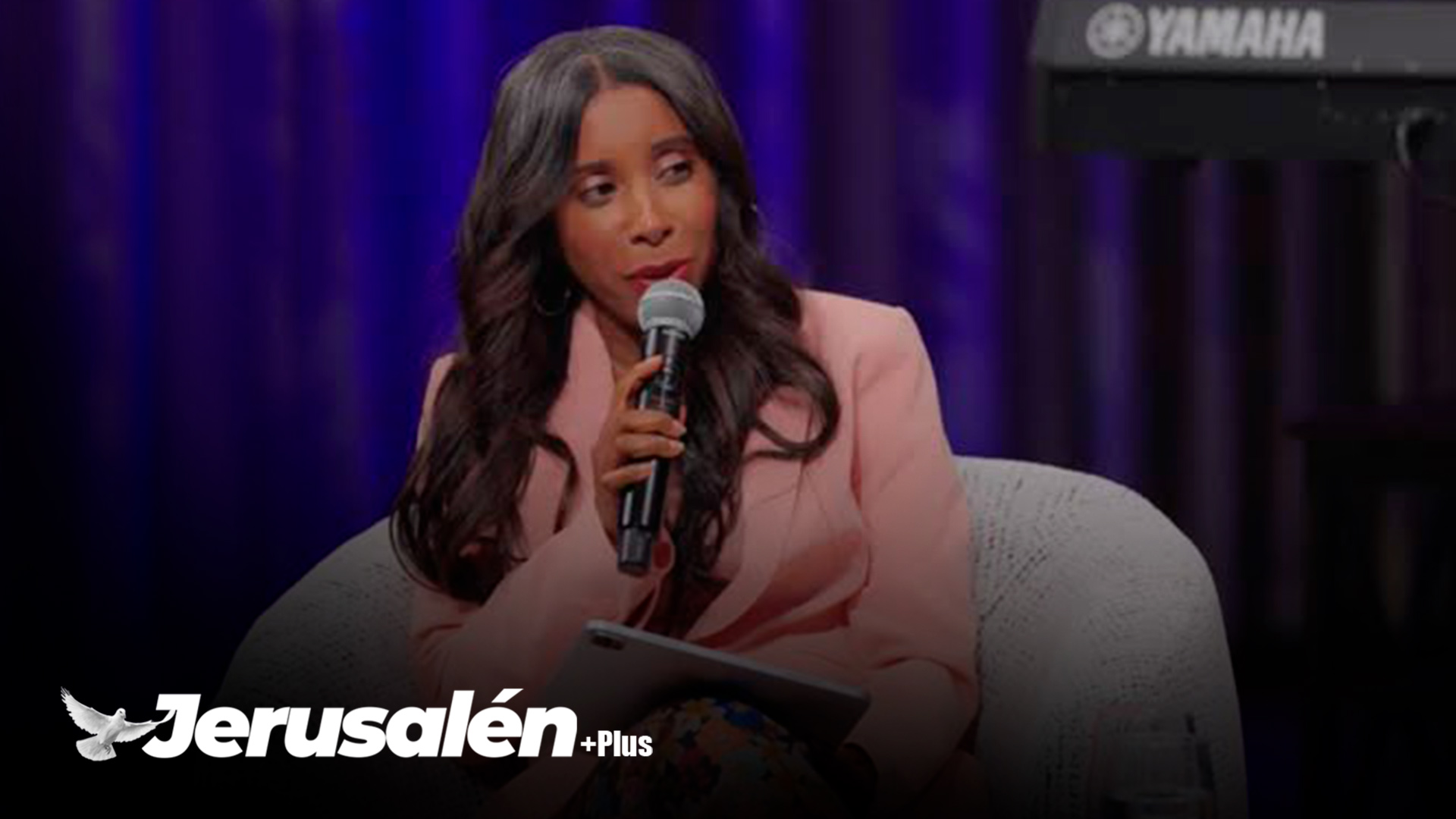
Lilly Goodman presentó el primer episodio de su nueva serie de podcast“Me Siento Libre”, un proyecto con el que busca abrir conversaciones profundas sobre sanidad, restauración y libertad desde una perspectiva bíblica. El episodio inaugural lleva por título “Soy Sana” y conecta directamente con el mensaje de esperanza que ha marcado gran parte de su ministerio musical.
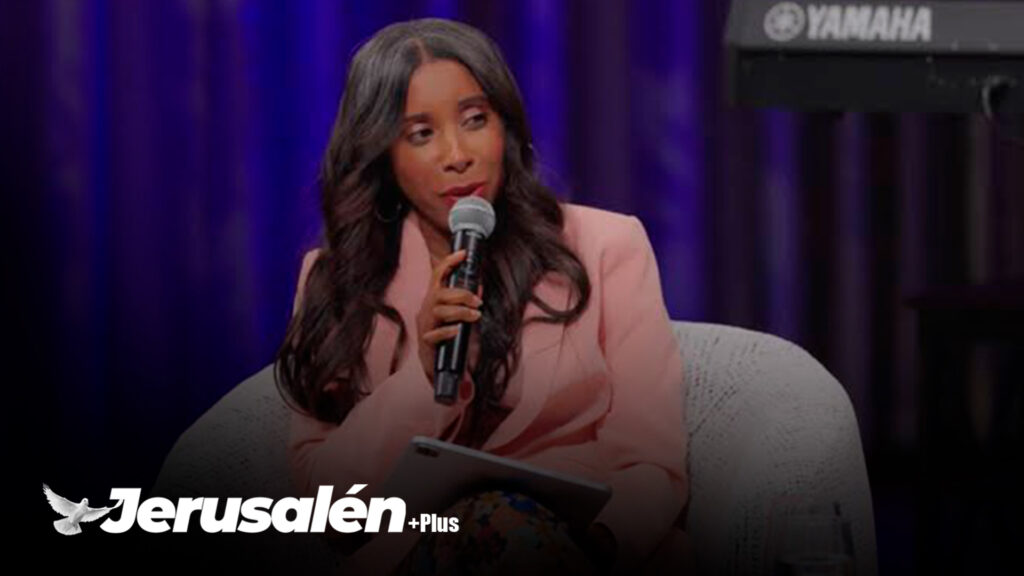
La reconocida cantante y conferencista cristiana dominicana lanzó este nuevo espacio como una herramienta para acompañar a personas que atraviesan procesos emocionales, mentales, físicos o espirituales. La propuesta no se queda solo en una conversación inspiradora, sino que busca unir principios de la fe cristiana con orientación práctica para quienes necesitan volver a verse desde la verdad de Dios.
En este primer episodio, Goodman conversa con la psicoterapeuta Yeny Rodríguez, quien comparte consejos y reflexiones sobre heridas emocionales, trauma, recuperación interior y restauración integral. La participación de Rodríguez aporta una mirada profesional que acompaña el énfasis espiritual del podcast, mostrando que la sanidad también requiere comprensión, acompañamiento y procesos.
Goodman invitó a sus seguidores a escuchar el episodio en Spotify y en su canal oficial de YouTube. En su mensaje de lanzamiento expresó: “Aprenderás mucho de los consejos y revelación compartidos por mi invitada especial, la psicoterapeuta, Yeny Rodríguez”.
El nombre del episodio, “Soy Sana”, apunta a una declaración de fe que va más allá de una frase positiva. Para Lilly Goodman, la sanidad nace al recordar quién es Dios, quiénes somos delante de Él y qué verdad debe gobernar el corazón por encima de las heridas, el dolor o las palabras que marcaron el pasado.
Como parte del lanzamiento, la intérprete también presentó una versión en vivo de su canción “Soy Sana”, grabada durante el podcast. La pieza musical refuerza el mensaje del episodio y funciona como una declaración de identidad, propósito y restauración para quienes se encuentran atravesando temporadas difíciles.
En su mensaje, Goodman recordó que Dios es el diseñador y creador de cada persona, citando principios relacionados con Efesios 2:10 y Salmos 139, destacando que la sanidad no comienza en negar el dolor, sino en volver a la verdad de que cada vida fue formada por Dios con valor, propósito y cuidado.
La artista también hizo referencia a Proverbios 18:21 animando a los cristianos a cuidar lo que declaran sobre sí mismos, especialmente cuando están en procesos de restauración emocional, mental, física o espiritual.
El proyecto “Me Siento Libre” llega en un momento donde muchas personas, incluso dentro de la Iglesia, enfrentan ansiedad, heridas internas, culpa, procesos no resueltos y cargas que necesitan ser tratadas con verdad y compasión. Porque la libertad no consiste solo en sentirse mejor, sino en ser restaurados por Cristo y aprender a caminar conforme a la identidad que Él da.
Dios sigue sanando corazones, levantando vidas y llamando a sus hijos a vivir no desde sus heridas, sino desde la obra completa de Cristo.


La nación más secular del mundo está viviendo un gran despertar espiritual con miles a los pies de Jesús

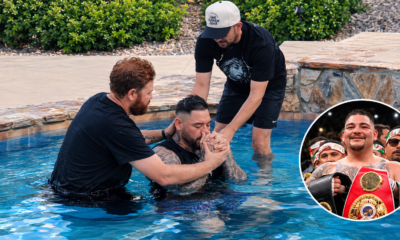
Campeón mundial de peso pesado le entrega su vida a Cristo y se bautiza, “Emocionado de lo que Dios hará”

Pastor predica de Cristo en pleno vuelo y pasajeros responden al llamado de salvación

Arrestan a una pareja de pastores por llevar a 1.000 personas a Cristo en la India

«En el nombre de Jesús», Canción cristiana que exalta el poder de Dios se convierte en himno dentro de Tik Tok

Cristianos regresarán a Israel para la fiesta de ICEJ después de casi tres años de ausencia


-
 Noticias4 años ago
Arrestan a una pareja de pastores por llevar a 1.000 personas a Cristo en la India
-
 Eventos5 años ago
«En el nombre de Jesús», Canción cristiana que exalta el poder de Dios se convierte en himno dentro de Tik Tok
-
 Noticias4 años ago
Cristianos regresarán a Israel para la fiesta de ICEJ después de casi tres años de ausencia
-
 Noticias4 años ago
Greg Laurie relata la increíble transformación de Alice Cooper de las drogas a Jesús
-
 Eventos4 años ago
I.C.N.J IGLESIA DE CRISTO LA NUEVA JERUSALÉN
-

 JERUSALEN_TV4 años ago
Una Iglesia Adoradora
-

 Eventos5 años ago
«Dios no perdonará y habrá un Día del Juicio, estoy seguro», dijo Zelensky sobre el inicio de la Cuaresma
-

 Noticias3 años ago
¡Tiempo de adoración! Grupo Barak reúne a miles de personas en concierto en La Ciudad de La Ceiba, Honduras!